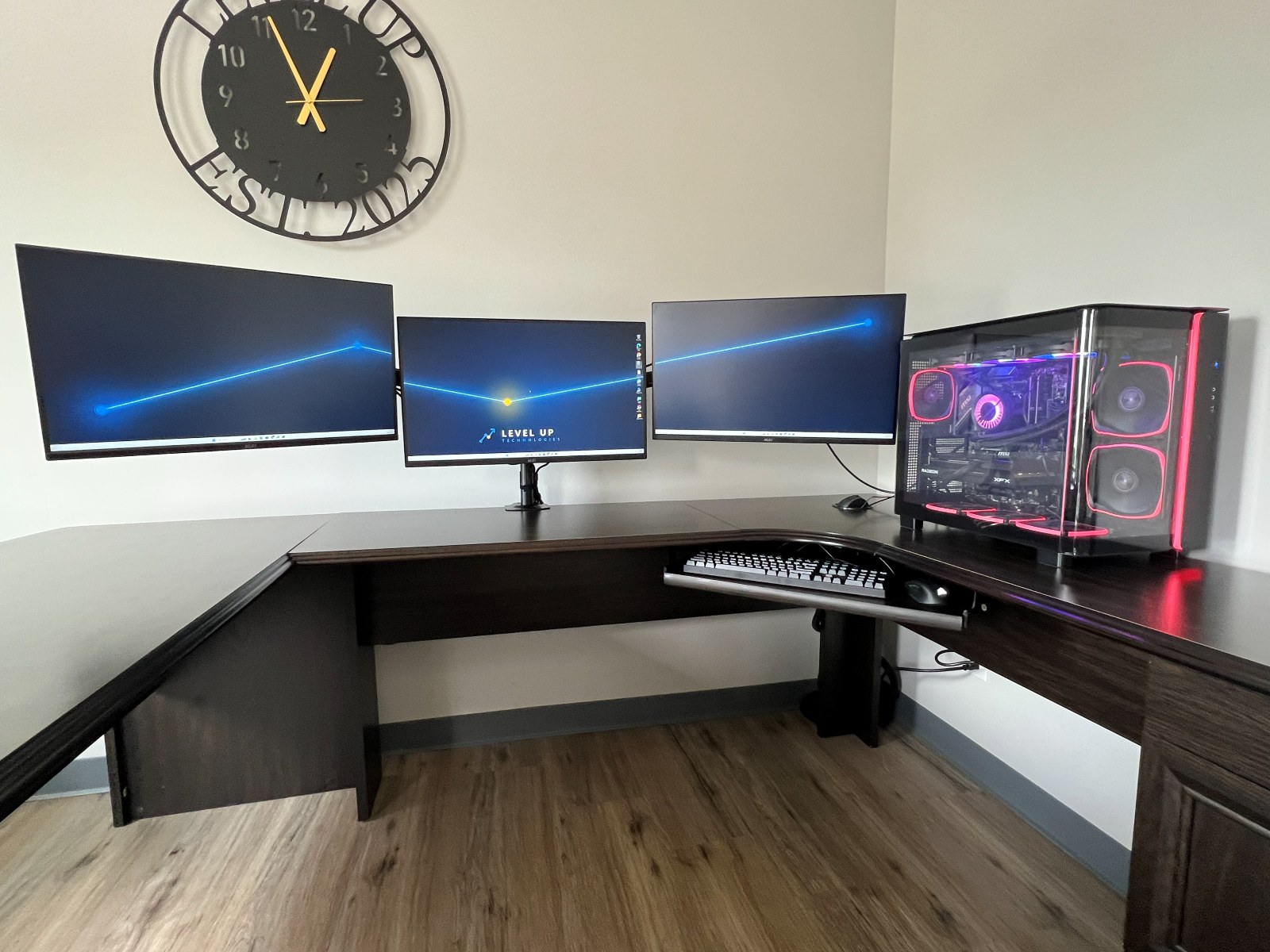
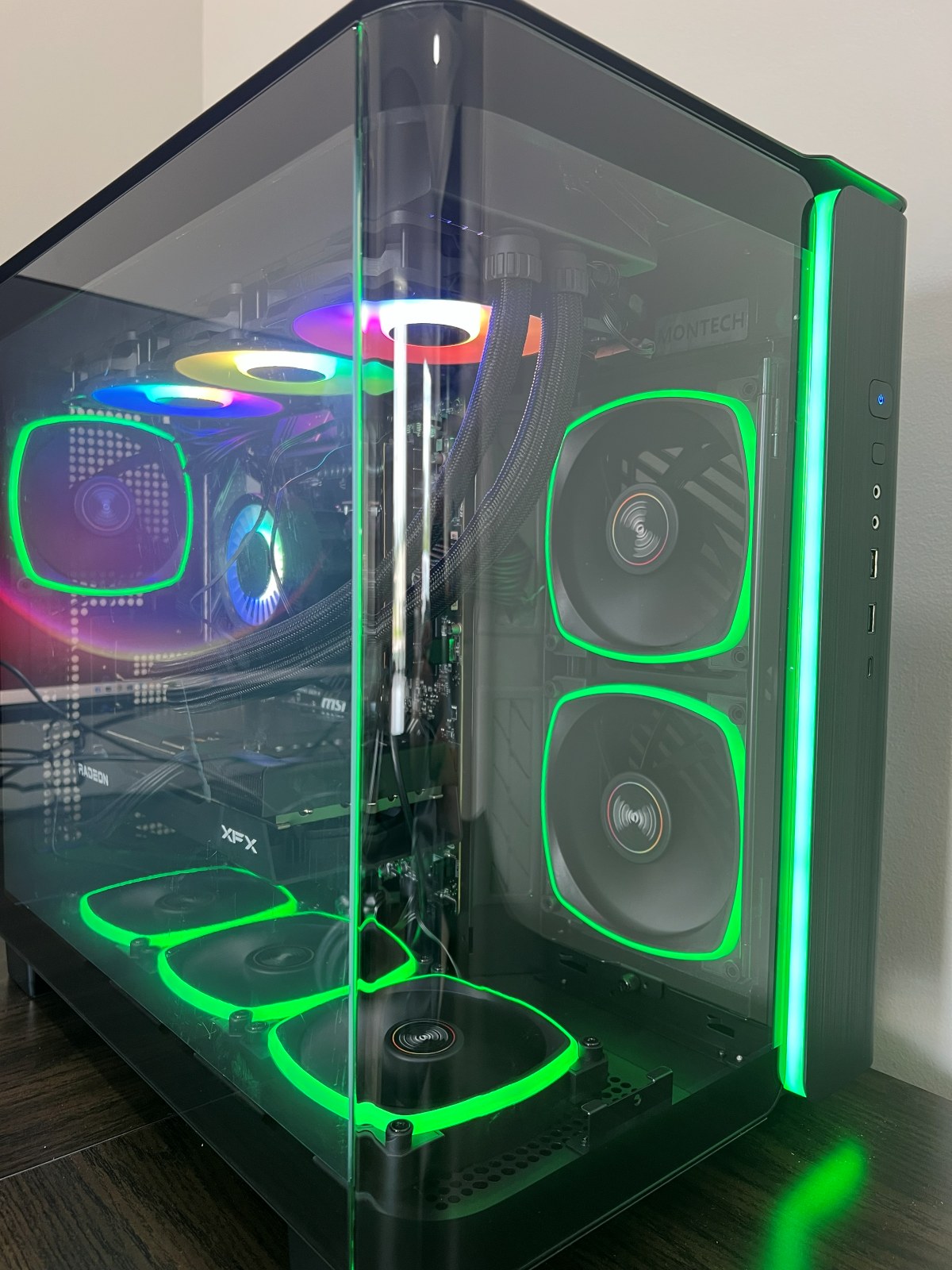
Machine specified, built, validated and deployed. It is in service and holding full load without throttling.
Rather than a prebuilt tower, this was assembled from parts chosen for the workload: a 12-core processor for parallel rendering, 64 GB of memory so large assemblies stay resident rather than paging to disk, and liquid cooling sized so the processor never has to reduce its own speed to survive.
Every machine that leaves here is validated before it is handed over, and the numbers are written down. This one runs its memory at the full rated 6000 MT/s with the EXPO profile enabled and verified - not the 4800 MT/s fallback that memory quietly defaults to when nobody turns the profile on. That difference is roughly 25 percent of the memory performance the client paid for, and it is invisible unless somebody checks.
Customer
Sample Business Client
Equipment
Custom workstation - MSI B650 GAMING PLUS WIFI, AMD Ryzen 9 7900X 12-core, 64 GB DDR5-6000, 360 mm liquid cooling
Service type
Workstation specification, build and deployment
Service date
August 20, 2026
Location
2192 Commercial Dr B, Frankfort, KY 40601
Reported issue
Client needed a workstation for large CAD assemblies and multi-camera video editing. Off-the-shelf business desktops had been quoted but were underpowered for the work, and a previous machine had been returned twice for instability under load. The brief was a machine that would hold full load all day without throttling or crashing, and that could be serviced rather than replaced.
Visit timeline
Day 1Requirements discussed and workload assessed
Day 1Parts list specified and agreed with client
Day 3Components received and inspected
Day 3Assembly, cable routing and cooling installed
Day 3First boot - memory training completed, EXPO enabled
Day 4Four-pass memory test at 6000 MT/s - zero errors
Day 4Sustained load test - no thermal throttling
Day 5Operating system, drivers and applications configured
Day 5Deployed at the client desk and handed over
Findings & corrective actions
1
Specified against the actual workload
Resolved
Observed
The quoted business desktops used 6-core processors and 16 GB of memory. CAD assemblies of the size described will not stay resident in 16 GB, so the machine would have spent its time moving data to and from disk - which is what the client had already experienced as the machine being slow.
Action
Specified around the work rather than a price point: a 12-core Ryzen 9 7900X for parallel rendering, 64 GB of DDR5-6000 so large assemblies stay in memory, and a board with the power delivery and expansion to be upgraded later rather than replaced.
Result
Parts list agreed with the client before anything was ordered, with the reason for each choice written down rather than assumed.
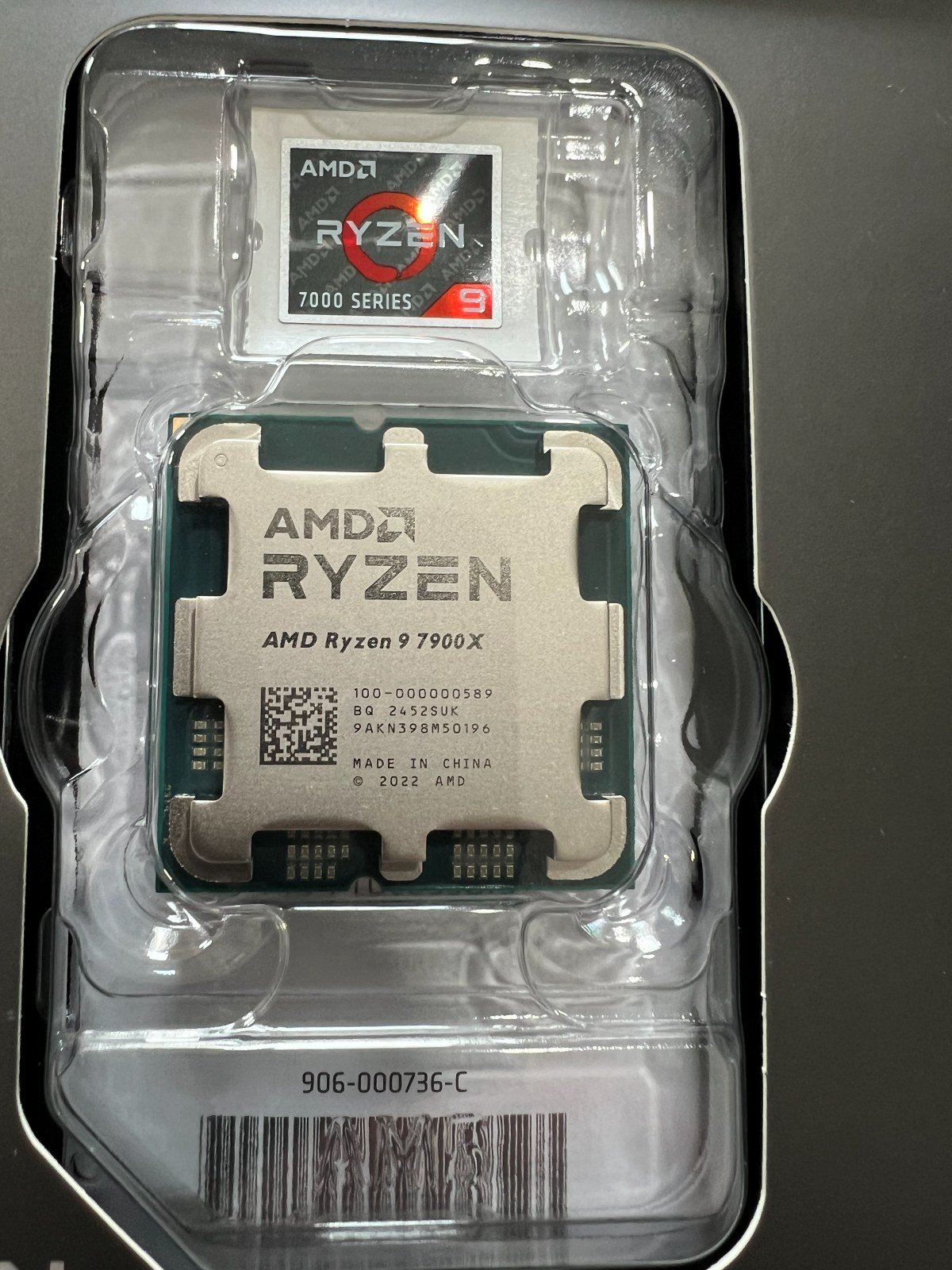
AMD Ryzen 9 7900X, 12 cores. Chosen for parallel rendering rather than to hit a price point.2
Assembled and cabled for service access
Resolved
Observed
Machines that are difficult to open are machines that do not get maintained. The previous unit had to be substantially dismantled to reach the memory.
Action
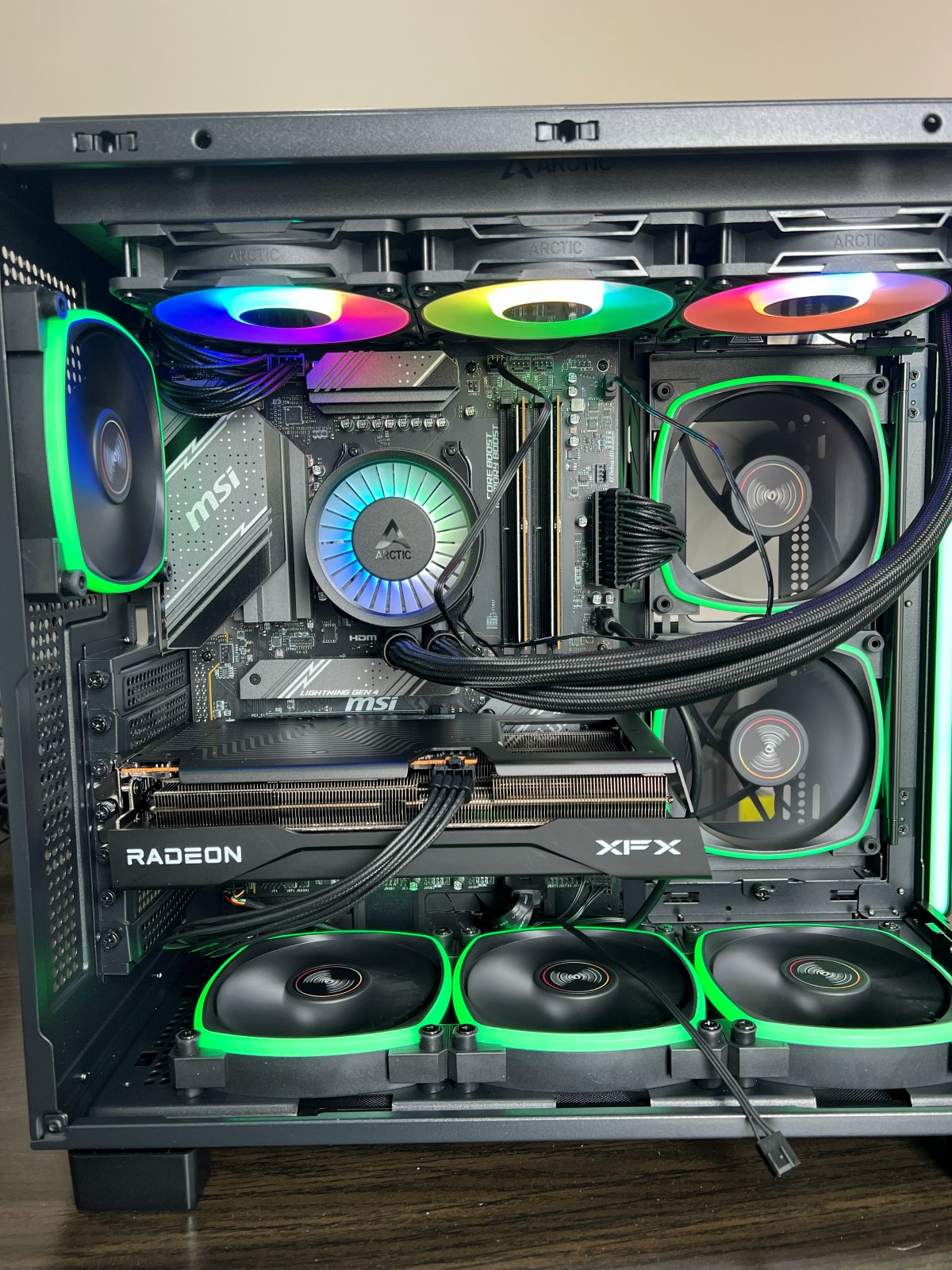
Built with routing kept clear of the memory slots, the graphics card and the drive bays, so any of them can be reached without disturbing anything else.
Result
Memory, storage and graphics are each reachable in under a minute. This is what makes the difference between a five-minute upgrade and a bench visit.
Cable routing kept clear of the memory, graphics card and drive bays, so each can be reached without dismantling the rest.3
Cooling sized to hold full load, not survive it
Resolved
Observed
The client had specifically been losing work to instability under sustained load. A cooler that merely prevents damage still lets the processor reduce its own speed to stay safe, which reads to the user as the machine getting slower the longer it works.
Action
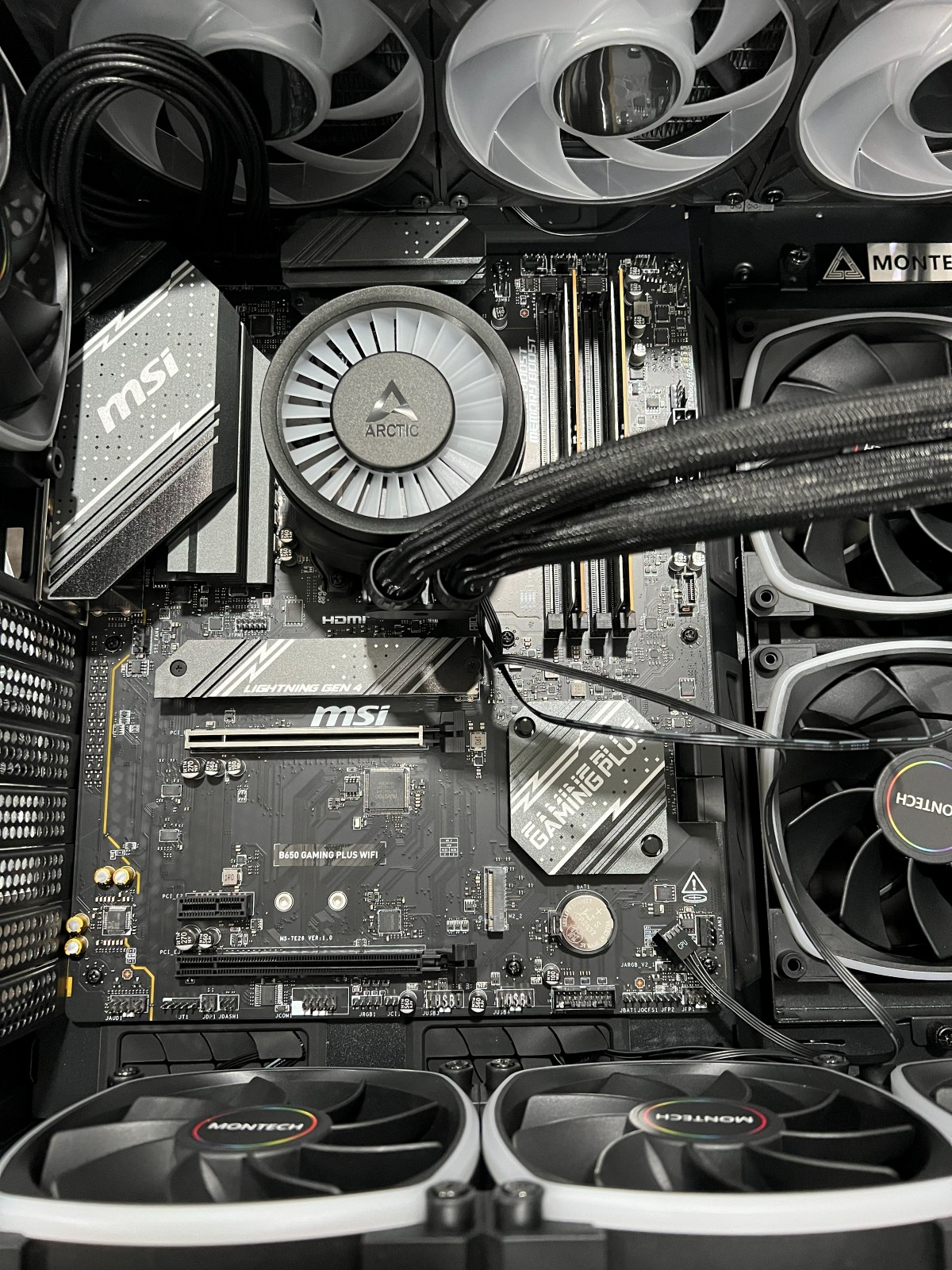
Fitted 360 mm liquid cooling with a front-to-back airflow path, and set the fan curves against measured temperatures rather than leaving them at default.
Result
The processor holds its full boost clock through sustained load with no thermal throttling. Idle sits at 38 C with the board at 30 C.
The 360 mm liquid cooler and front intake, installed and cabled before first power-on.4
Memory and processor validated at full rated speed
Resolved
Observed
DDR5 does not run at its advertised speed out of the box. Without a profile enabled it falls back to 4800 MT/s, and the machine works perfectly well while quietly delivering about 25 percent less memory performance than was paid for. It is invisible unless somebody looks.
Action
Enabled the EXPO profile, confirmed the reported speed against the manufacturer rating on the modules, then ran a full four-pass memory test at that speed to prove it is stable there and not merely willing to start.
Result
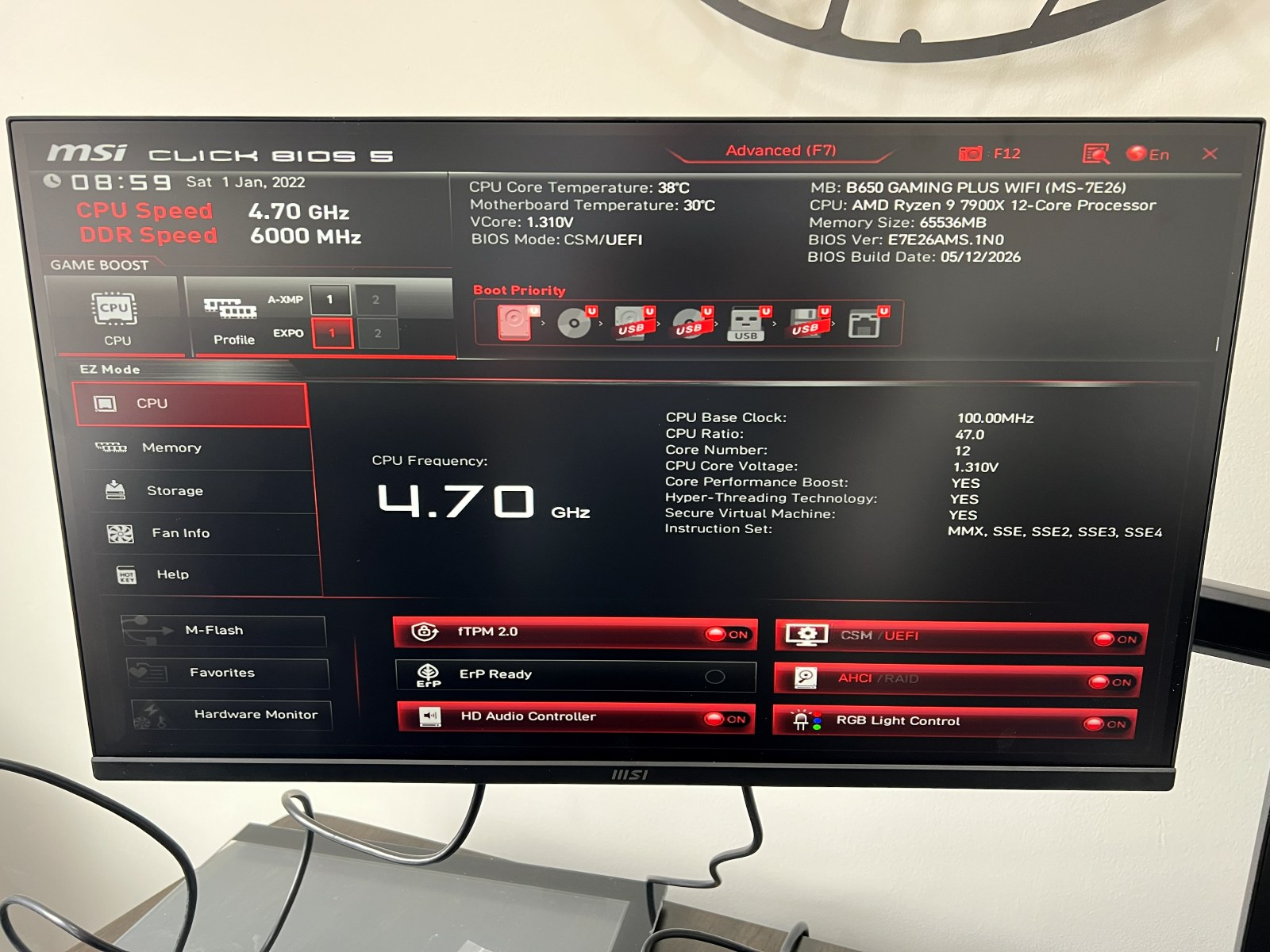
Verified: 64 GB running at the full 6000 MT/s with EXPO Profile 1 active, processor at 4.70 GHz across 12 cores. Memory test passed with zero errors. Enabling a profile is easy; proving the machine is stable afterwards is the part that matters.
Validation: 64 GB running at the full 6000 MT/s with EXPO Profile 1 enabled, processor at 4.70 GHz across 12 cores, 38 C at idle. Without the profile this memory would default to 4800 MT/s.5
Deployed and handed over working
Resolved
Observed
A build is not finished when it powers on. The client works across several displays and needed the machine productive, not merely delivered.
Action
Installed and updated the operating system, installed drivers directly from the component manufacturers rather than relying on Windows Update, configured the multi display layout, and confirmed the client applications launched and ran correctly.
Result
Delivered in service and working. The client did not have to set anything up.
Deployed at the client desk across three displays, in service and working.6
What was deliberately not done
Advisory
Observed
The processor and memory both have headroom beyond their rated speeds, and it is common to push them for benchmark figures.
Action
Left at manufacturer rated speeds with EXPO applied, and nothing overclocked past it.
Result
Deliberate. This machine has to work reliably every day for years, and overclocking past rated speed trades a small amount of speed for exactly the instability the client was trying to escape. Backup and data protection were also out of scope here and are worth addressing separately.
Operational verification
Built, validated under sustained load, and deployed.
The finished workstation before deployment.
Recommendations
1. KEEP THE BUILD DOCUMENTATION. Every part, revision and setting is recorded in this report. When a component needs replacing in three years, nobody has to open the case and guess what is in it.
2. ANNUAL CLEAN. Liquid cooling moves heat efficiently but the radiator still collects dust, and a blocked radiator raises temperatures gradually enough that nobody notices until the machine starts slowing itself down.
3. LEAVE THE MEMORY PROFILE ALONE. EXPO is enabled and validated at this specific speed. A BIOS update resets it to default, so if the machine ever feels slower after an update, check that first.
4. THIS MACHINE IS SERVICEABLE. Standard parts, standard connectors, nothing proprietary. A failed component is a part swap, not a replacement machine.
Billing summary
Service time
6
Standard service rate
$125.00 / hour
Billing method
Hourly - build and configuration
Total charged
$750.00
Six hours covering specification, assembly, validation testing and deployment. Parts are itemized separately on the accompanying invoice.
THIS IS A DEMONSTRATION REPORT. It shows the format and standard of a Level Up Technologies build report. The client is fictional; the machine and all measurements shown are real, from a workstation built and documented in our own shop.